
Old town
Yanaka
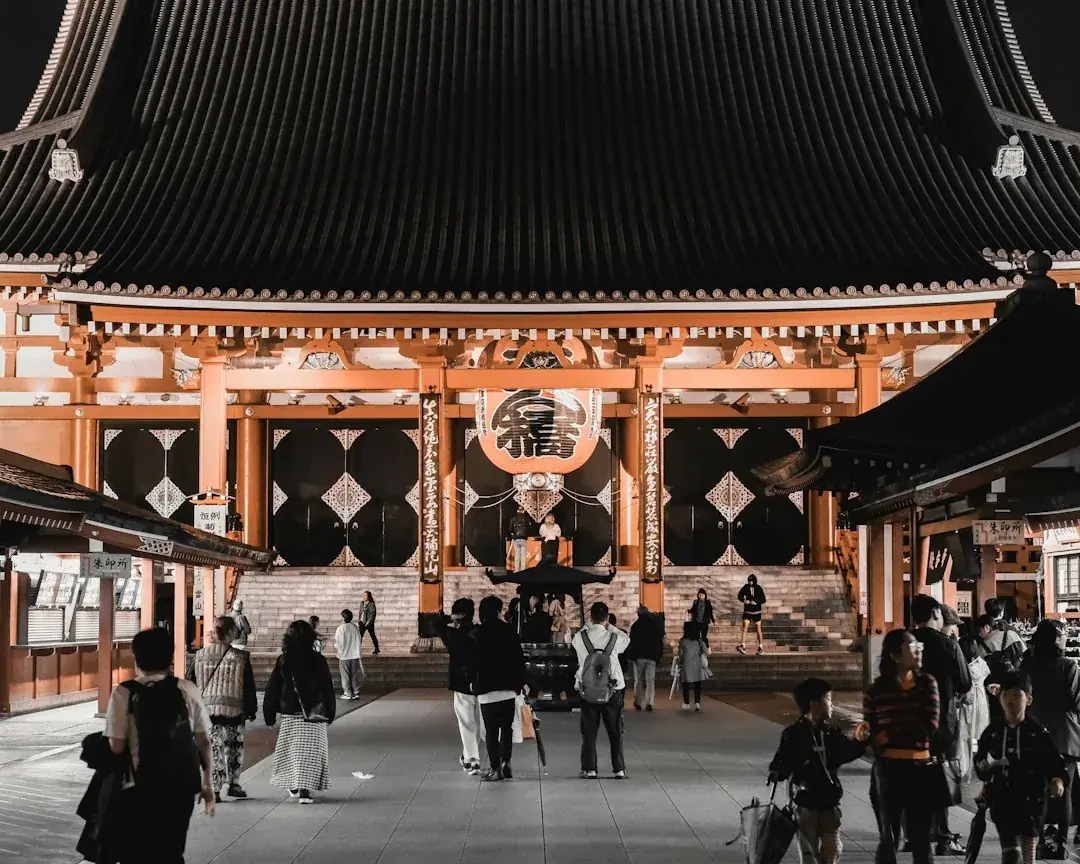
A district that slipped past the wrecking ball. You walk among temples, a wooded cemetery that locals treat as a park, and a shopping street where the butcher still fries croquettes to order.
Guided and self-guided walks through the everyday neighborhoods of Tokyo, where residential lanes, corner shops and small shrines reveal a quieter, lived-in city.
Our philosophy
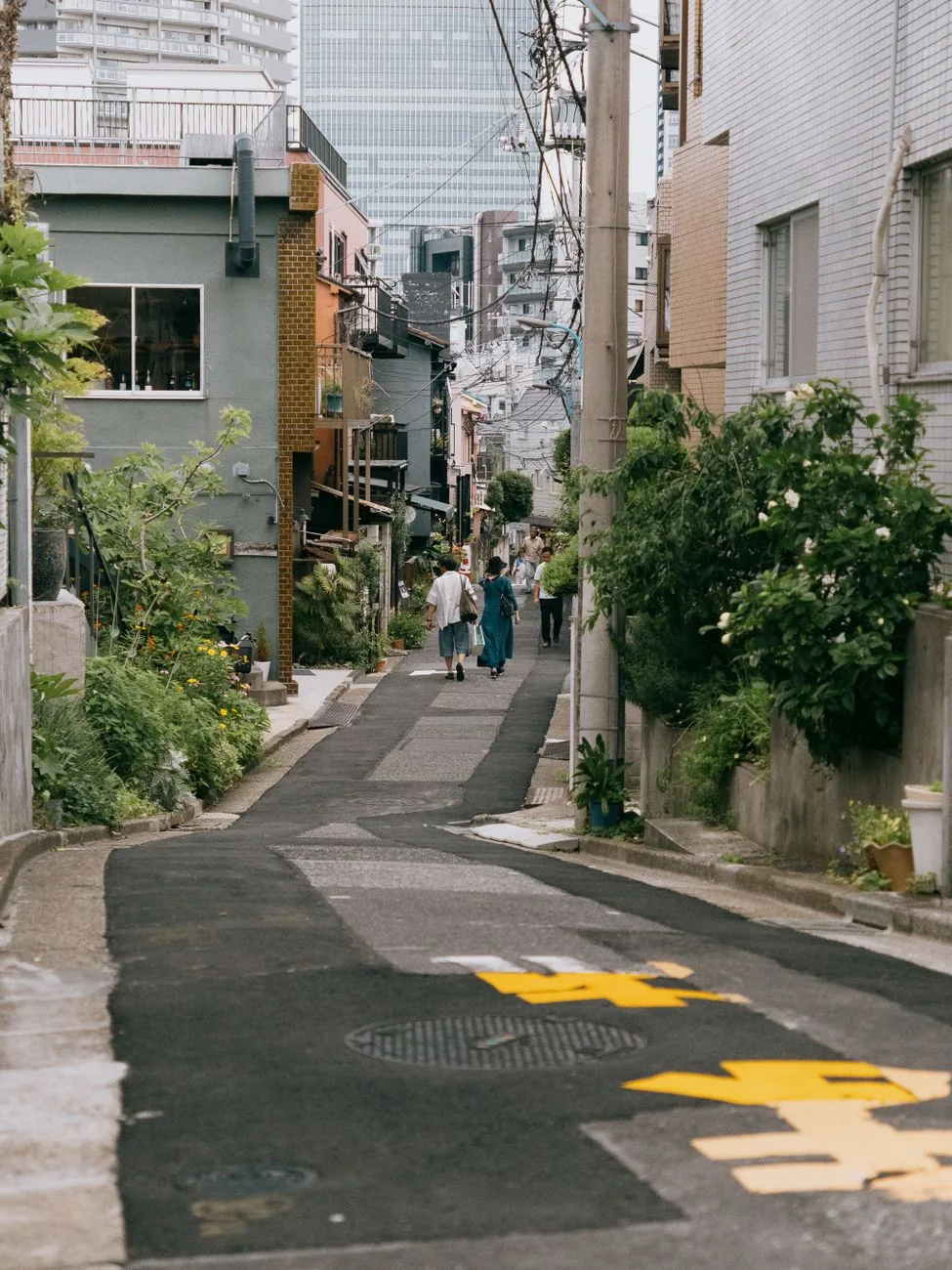
Most of Tokyo is not a landmark. It is a grocer measuring out pickles, a cat asleep on a step, a shrine the size of a cupboard between two houses. We walk toward that.
A slow walk changes what you notice. Instead of counting the sights on a list, you begin to read a neighborhood the way the people who live there do — by the smell of the morning rice shop, the rhythm of shutters opening, the worn stone of a lane that has carried footsteps for a century.
We keep away from the crowds on purpose. The streets we love are ordinary, and they stay ordinary because we visit them gently, in small numbers, with respect for the lives being lived inside every doorway.
Featured neighborhoods
Each of our home neighborhoods keeps its own pace and its own small pleasures. Here is what you will see on foot.
Old town
A district that slipped past the wrecking ball. You walk among temples, a wooded cemetery that locals treat as a park, and a shopping street where the butcher still fries croquettes to order.
Hillside
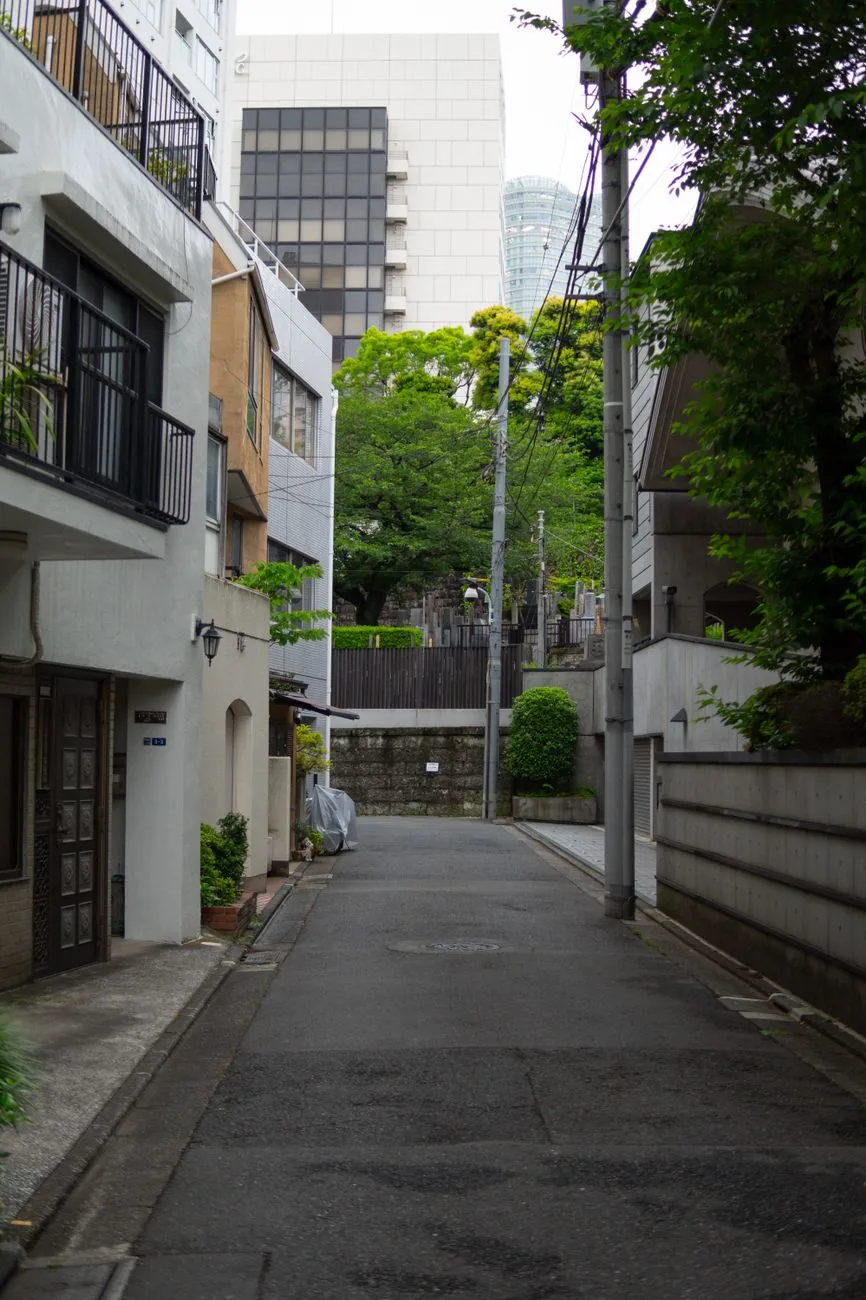
A sloping hill of cobbled alleys and hidden restaurants. Once a geisha quarter, it now hides French bakeries behind paper lanterns, with stone steps that turn gold in the late afternoon.
Young town
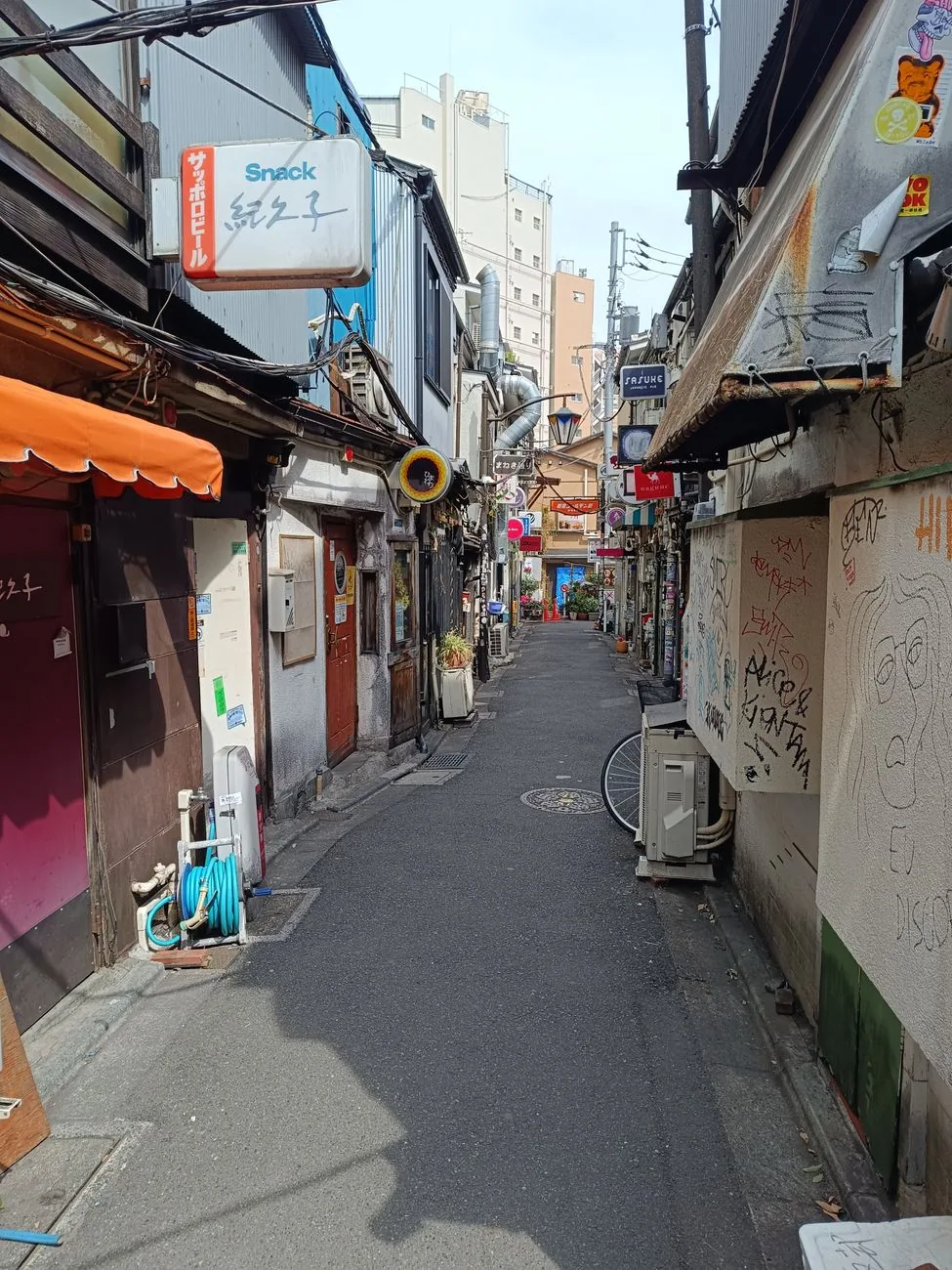
A warren of small theatres, second-hand clothes and tiny coffee counters. Cars barely fit, so people rule the streets, and the whole place feels like a neighborhood built for wandering.
How a stroll unfolds
A walk is not a checklist. It has a shape, a breathing rhythm of busy and quiet. This is how a typical half-day comes together.
Morning
We meet while shutters are still rising. You taste something warm from a shopfront, watch deliveries arrive by bicycle, and learn to read the small signs of a working neighborhood before the day fills in.
Midday
The guide leads you off the main street into lanes where families live. We keep our voices low, admire the potted gardens spilling onto the road, and duck into a shrine barely wider than a door.
Afternoon
Halfway through, we stop. A cup of tea or a small sweet gives your feet a rest and gives the conversation room to grow. This is where strangers in a group become companions on a walk.
Golden hour
We end where the light is best, in a narrow alley of lanterns and low rooftops as the sun drops. You leave knowing the neighborhood not as a map, but as a place you could find your way back to.
The walks in figures
What makes us different
These neighborhoods are homes first. Three commitments keep our walks welcome on every lane.
Tiny groups
A small group moves quietly and fits down any lane. You can hear the guide without a microphone, ask every question you like, and never block a doorway or a bicycle.
Local guides
Every guide lives in the district they walk. They greet the shopkeepers by name and know which shrine fills with incense on which morning. That is not a script; it is their street.
Gentle routes
We plan our paths around the rhythm of the residents — avoiding the hour the school lets out, pausing where we will not be in the way. The neighborhood should barely notice we came.
The same streets, four ways
Walk the same lane in April and again in January and you will swear it is two different places. That is the quiet reward of returning.
Spring cherry lanes
Petals drift down over a residential canal, and families spread mats under the oldest trees. We walk early, before the paths fill.
Summer festivals
Paper lanterns cross the streets and the sound of a local drum carries for blocks. Stalls appear overnight on corners that were empty by day.
Autumn backstreets
Ginkgo trees turn the alleys yellow and the air smells of roasting sweet potato from a passing cart. The light goes soft and low.
Quiet winter mornings
The crispest air of the year and the emptiest lanes. Steam rises from a tea shop, and the whole district seems to belong to you alone.
Book a walk
Pick the length and pace that suits you. Every walk is kept small and led by a guide who lives on the route.
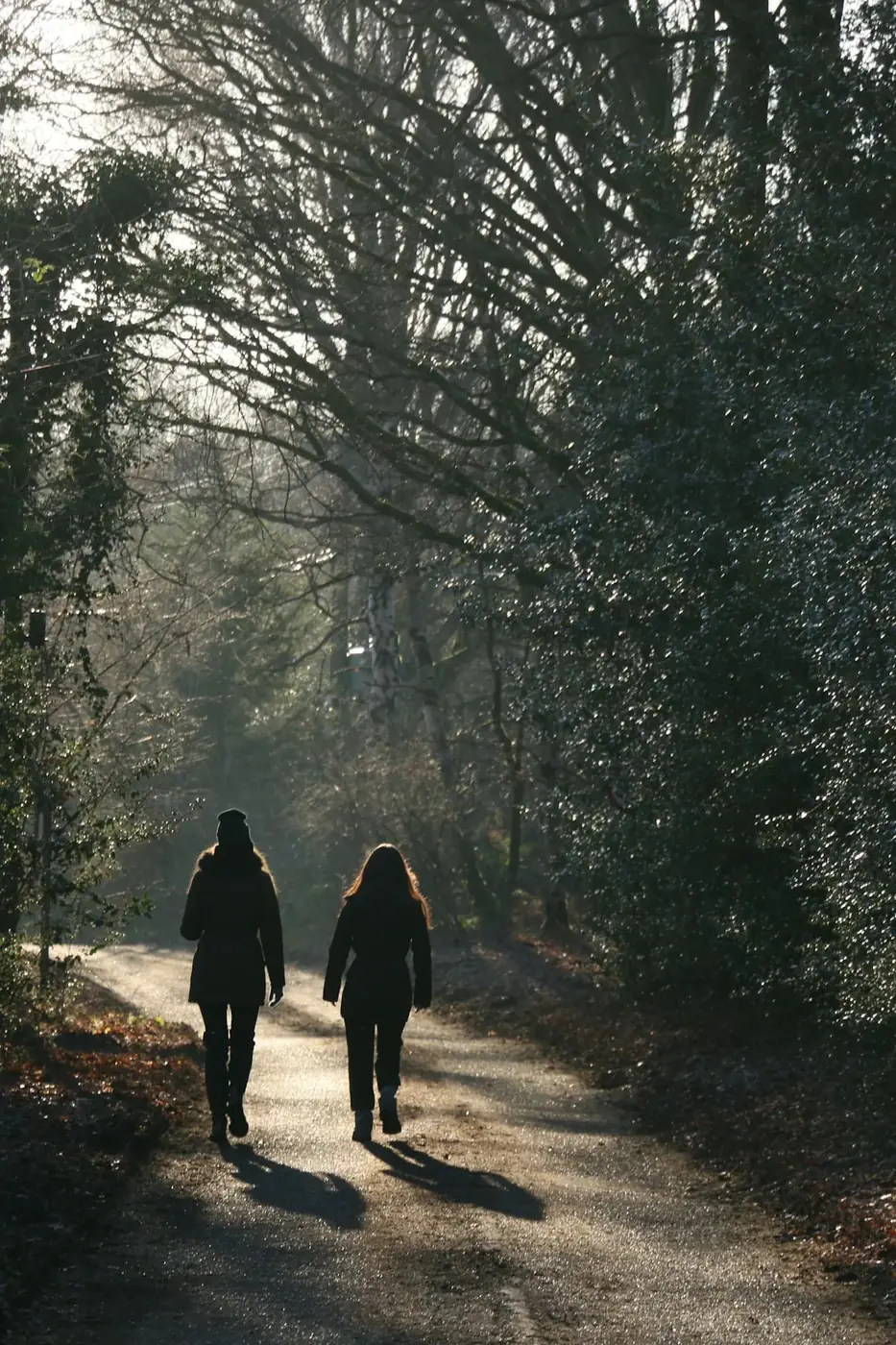
Short stroll
A gentle two-hour loop through Yanaka's waking streets, ideal if you want a taste of slow walking before lunch.
2 hours · mornings only
¥4,800per person
Reserve a morningMost popular
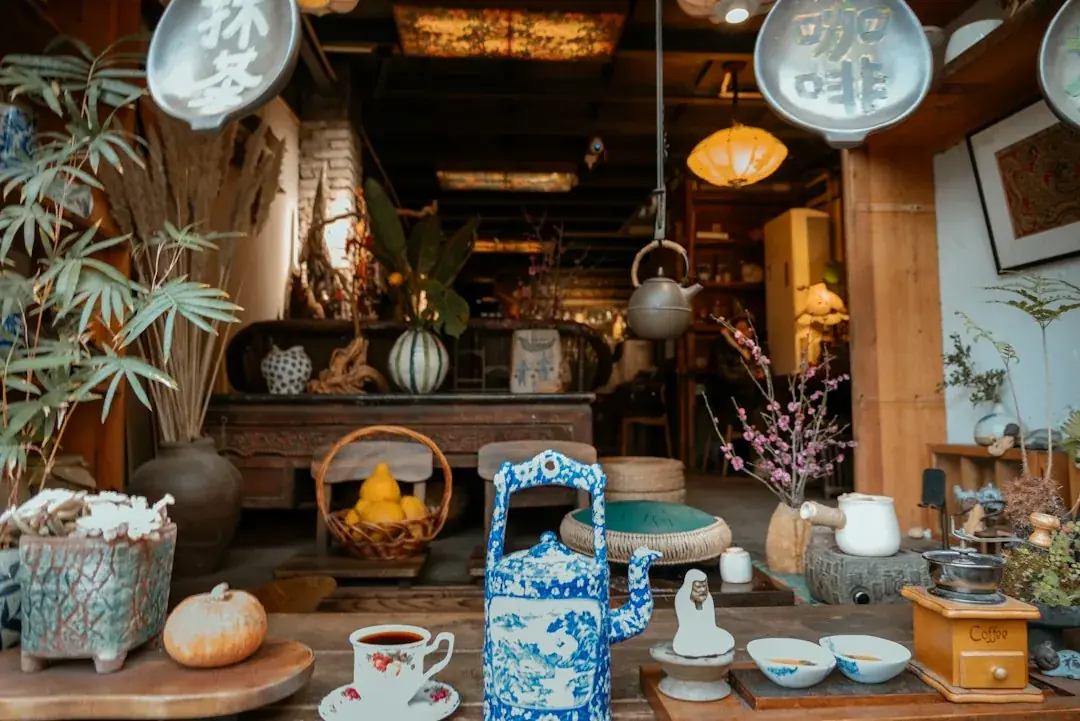
Signature walk
Our full rhythm, from market street to a teahouse pause to a golden-hour alley, with time to linger wherever you like.
4 hours · teahouse included
¥9,200per person
Book the signature
At your own pace
A hand-drawn map and notes for walking three districts on your own timetable, with phone support if you lose the thread.
Any day · no fixed start
¥2,400per map
Get the mapIn a walker's words
“I thought I had seen Tokyo. Then we turned off the main road and stood in a lane where a woman was watering her plants, and I understood I had only seen the surface. The ordinary street was the whole point.”
Marianne, walked the Half-Day Wander in Yanaka
The people behind it
OpenBluebird is not a company that flies guides in. It is a handful of longtime residents who decided to share the neighborhoods they grew up in.
Our guides have lived on these lanes for decades. One ran the local bathhouse; another grew up two doors from the shrine she now walks visitors past. They do not perform the neighborhood — they simply let you in.
Because they stay here long after the walk ends, they care how we move through the streets. That care is the thread running through everything we offer, from the smallest morning loop to the self-guided map.
Before you set out
Choose a walk above and contact us by phone or email with your preferred date. We confirm within a day and send a meeting point in Yanaka. No deposit is needed for groups of four or fewer.
We walk in light rain — covered arcades and teahouses give us shelter, and a quiet neighborhood is lovely under an umbrella. If a storm is forecast we reschedule at no cost, or refund in full.
Slowly and with frequent pauses. The whole idea is a gentle pace, and we never cover more than about four and a half kilometres. If anyone needs to rest, the group rests — there is no schedule to beat.
Comfortable shoes and a little cash for a tea or a snack along the way. Many lanes are uneven stone, so leave the heels at the hotel. Everything else — the route, the stories, the pauses — we provide.
Yes, and they often love it — cats, festival stalls and hidden shrines make good company for curious young walkers. Children under twelve walk free when accompanied by an adult on any of our group walks.
Find our office
Our planning office is in Sumida. Each guided walk starts at a station in the neighborhood you choose, and we send the exact meeting spot with your booking.
Office
2-8-4 Chitose, Sumida-ku, Tokyo 130-0025
Telephone
Opening hours
Daily, 9:00 to 17:00 — last walk departs 14:00
Getting here
A short walk from Ryogoku and Morishita stations